How To Choose The Right Healthcare Training Course In The UK
Choosing the right healthcare training course in the UK can feel overwhelming, especially with so many options available and each pathway leading to different roles, responsibilities, and opportunities. Whether you’re just starting your journey into health and social care, aiming to specialise, or seeking career progression, the choices you make now can shape your professional future. Fortunately, with the right guidance and a clear set of goals, you can navigate your options with confidence.
At Care Skills Training UK, learners across the UK, from care workers and NHS staff to healthcare assistants and supervisors, have access to CPD-accredited courses designed to build practical skills and advance careers. But how do you select the right course for your aspirations? Here’s a smart, structured approach to making that choice.
Your Guide To Choosing The Right Healthcare Training Course

1. Clarify Your Career Goals
Before browsing courses, take a moment to define your career destination. Ask yourself:
- Do I want to begin a career in healthcare or build on existing experience?
- Am I aiming for a specialised role (e.g., safeguarding lead, first aid trainer, mental health support)?
- Do I want to work in the NHS, a care home, or as a community support worker?
Understanding where you want to be in 1 year, 3 years, or even 5 years will guide your training choices. For instance:
- If you’re starting out with little to no experience, foundational courses like the basic health and social care training will build your core skills and credibility.
- If your goal is to specialise, you might prioritise advanced courses such as Safeguarding, or Health & Safety training.
- For leadership or managerial ambitions, consider training that develops supervisory, compliance, and risk-management skills.
2. Understand The Type Of Training You Need
Healthcare courses come in different formats and purposes. Knowing the differences will help you make the right selection:
Mandatory vs. Professional Development Courses
- Mandatory training: These are essential for compliance and safety, such as Moving & Handling, Safeguarding, and Basic Life Support. They ensure you meet regulatory standards and can be required by employers.
- Professional development training: These help you go beyond basic requirements and advance your expertise, like mental health, health and safety management, or information governance.
Online vs. Face-to-Face Delivery
Care Skills Training UK offers both online self-paced and face-to-face classroom options:
- Online courses let you study at your convenience, ideal for busy professionals or those balancing work and learning.
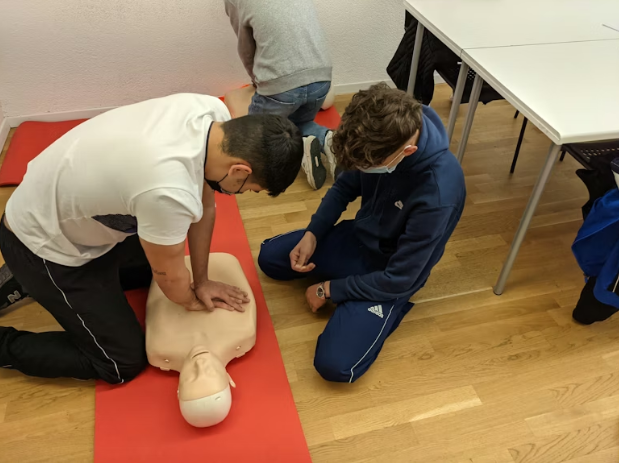
- Face-to-face sessions provide hands-on experience and interactive learning, which can be particularly useful for practical skills like first aid and handling.
Choose the mode that best fits your learning style, schedule, and career needs.
3. Match Courses To Specific Career Paths
Here are some popular healthcare pathways and the courses that support them. This helps you align training with your career goals:
Career Starter: Healthcare Support Worker Or Carer
If you’re new to health and social care or want to work as a support worker, care assistant, or in a care home:
- Care Certificate Standards: This foundational training covers core competencies every care worker must know and helps you get your foot in the door.
- Basic Safeguarding and First Aid Courses: Essential for safe, person-centred care in any role.
These courses build confidence and demonstrate to employers that you’re committed to quality care.
Specialist Roles: Safeguarding, Mental Health, And Safety
If your goal is specialisation or deeper knowledge in a particular area:
- Safeguarding Courses (Various Levels): Learn how to protect vulnerable adults and children, a critical skill in social care and leadership roles.
- Mental Health Awareness and Dementia Training: Gain valuable insight into conditions that are increasingly relevant across care settings.
- Health & Safety Courses: Perfect for roles focused on compliance, risk assessment, and workplace wellbeing.
These specialised courses not only broaden your expertise but can also make you more competitive for higher-level positions.
Leadership & Career Advancement
For roles beyond frontline care, such as team leaders, supervisors, or managers:
- Advanced Professional Development Courses
These build leadership, compliance, and strategic skills that prepare you for career growth. - Bundles & Career Packages
Comprehensive bundles that cover multiple topics are ideal when you’re aiming for a broader skill set or preparing for a promotion.
Strategic training like this signals to employers that you’re ready for more responsibilities.
4. Check Accreditation And Career Impact
Quality matters. In healthcare training, accreditation ensures your course meets professional standards and is recognised by employers and regulatory bodies. All training at Care Skills Training UK is CPD accredited, meaning the courses contribute to your Continuing Professional Development and are widely respected in the UK health and social care sector.
Before enrolling:
Verify accreditation – CPD certification boosts your portfolio and shows your commitment to regulated standards.
Ensure practical relevance – targeted courses (e.g., Medication Awareness, Information Governance) are immediately applicable in real roles.
Ask about certification – getting recognised proof of completion helps with job applications and performance reviews.
Accredited training isn’t just a checkbox, it’s a tool for professional growth.
5. Consider Your Learning Style And Schedule
Everyone learns differently. So, the question is, do you enjoy self-paced online learning? It’s flexible and ideal if you juggle study with work or personal commitments. Or do you thrive in interactive, hands-on sessions? Then face-to-face training with expert instructors might be more effective, especially for practical skills.
Think about how you learn best and choose courses that fit that style. Your training should feel like an opportunity, not a burden.
6. Seek Feedback And Support
Don’t hesitate to seek guidance from training advisors or peers in the sector. Care Skills Training UK provides dedicated support to help with career guidance and course selection.
You can also talk to:
- Colleagues or mentors who’ve been through similar courses.
- Employers or supervisors, they can offer insight into what training is most valued in your workplace.
Their real-world experience can help you make decisions that are both practical and aspirational.

Conclusion:
Choosing the right healthcare training course in the UK isn’t just about ticking boxes, it’s about investing wisely in your future. With clarity about your career goals, a solid understanding of available options, and a strategic approach to selection, you can build a pathway that’s not only rewarding but also empowering.
Remember these steps:
- Define your career goals
- Understand course types and delivery
- Match training to your desired role
- Check accreditation and relevance
- Choose formats that suit your learning style
- Get advice and support throughout the process
Whatever stage you’re at, starting out, specialising, or advancing, the right training will equip you with the confidence and credentials to succeed in the dynamic UK healthcare landscape.