CQC Inspection 2026: What Care Providers Must Get Right (And How Staff Training Can Help You Achieve a Good or Outstanding Rating)
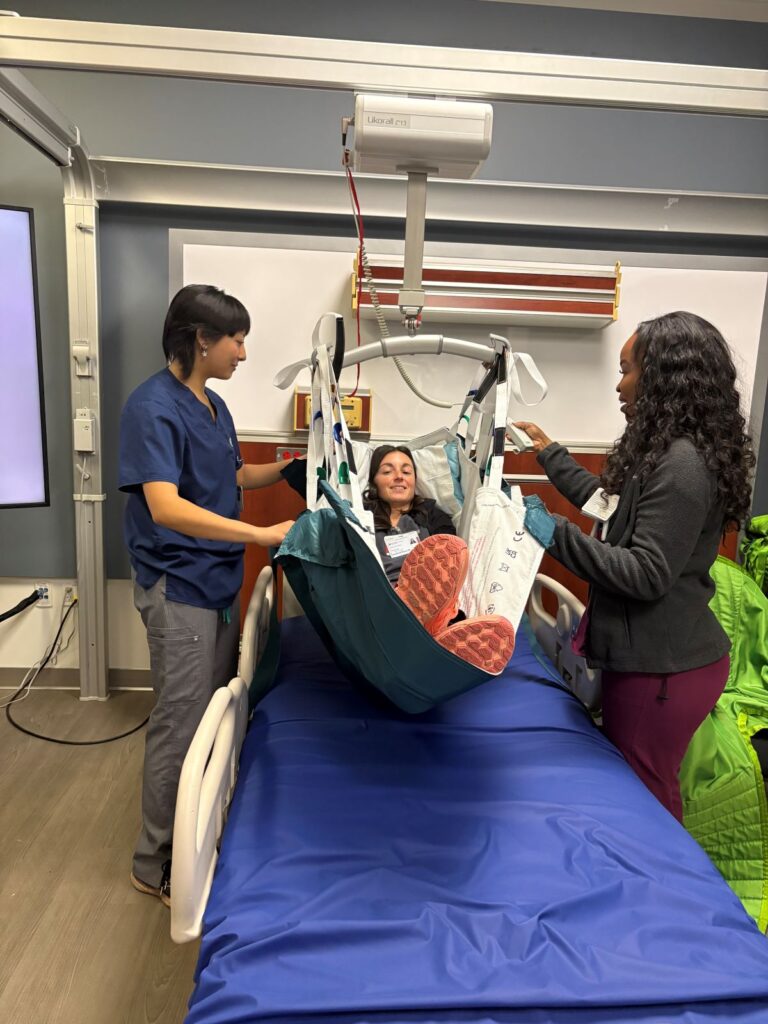
CQC Inspection 2026: What Care Providers Must Get Right (And How Staff Training Can Help You Achieve a Good or Outstanding Rating) If you manage or run a care service in England, CQC inspection readiness is no longer something you can prepare for in advance — it has to be built into how you operate every single day. The Care Quality Commission is more active than it has been in years. With a target of 9,000 assessments by the end of September 2026 and a growing team of inspectors, the chances of a visit arriving with little or no notice are increasing. For many providers, that is a significant shift in pressure. This guide explains what CQC inspectors are looking for in 2026, where providers commonly fall short, and how robust staff training can make a measurable difference to your rating. What Is Changing With CQC in 2026? CQC is currently operating under the Single Assessment Framework (SAF) while simultaneously reviewing and rebuilding its assessment methodology. The five headline questions — Safe, Effective, Caring, Responsive, and Well-Led — remain in place, but how evidence is gathered and assessed is evolving. Key changes underway include: New sector-specific frameworks for adult social care, primary care, mental health, and hospitals — replacing the one-size-fits-all approach of the SAF 24 Key Lines of Enquiry (KLOEs) replacing the 34 Quality Statements, framed as structured questions describing what inspectors will actively look for Rating Characteristics returning to give providers clearer descriptors of what each rating level — Inadequate, Requires Improvement, Good, and Outstanding — looks like in practice Greater emphasis on continuous monitoring, meaning inspectors can trigger assessments based on data trends, complaints, or notifications at any point Final frameworks are expected to be published in summer 2026, with implementation planned for later in the year. Until then, providers should continue to operate within the current SAF while familiarising themselves with the incoming KLOEs. What CQC Inspectors Look For — And Where Providers Fall Short Across all five key questions, inspectors are looking for consistent evidence, not a last-minute polish. Here are the areas most commonly linked to a Requires Improvement rating. Safe: Safeguarding, Medications, and Infection Control Under the Safe key question, inspectors examine how well your service protects people from harm. This includes safeguarding procedures, medication administration records, incident management, and infection prevention practices. Gaps in medication administration records (MARs) are among the most frequently cited findings across both residential and domiciliary care inspections. Staff must be able to demonstrate — not just state — their understanding of safeguarding responsibilities and safe medication handling. Training records need to be current, accessible, and mapped to individual staff members. Effective: Staff Training and Competency This is where staff training evidence carries the most direct weight. Inspectors want to see that all staff have received appropriate, up-to-date training and that their competency has been assessed — not just that they attended a course. Common weaknesses include: Training records that are incomplete or out of date No evidence of competency sign-off following training Mandatory training not refreshed within required timeframes Mandatory training not refreshed within required timeframes Agency or bank staff not included in training records Well-Led: Governance and Accountability The Well-Led question is the most commonly cited reason for a Requires Improvement rating. Inspectors look for evidence that leadership is driving a culture of learning, that audits result in meaningful improvement, and that training compliance is actively monitored at a management level. If your training records exist on paper but nobody is reviewing compliance, identifying gaps, or following up on renewals, that is a governance failure — regardless of what the records show. How Staff Training Directly Supports Your CQC Rating CPD-accredited, CQC-aligned training does more than keep your staff informed. It produces the audit trail inspectors need to see. At Care Skills Training UK, every course we deliver is designed with regulatory compliance in mind. Our training is CPD accredited and CQC-aligned, which means it meets the evidence standards inspectors expect across the five key questions. Certificates are issued on the day, giving you an immediate, verifiable record. Courses that directly support CQC inspection readiness include: Moving and Handling (Level 1) and Level 2 mandatory for safe care and documented under the Safe key question Safeguarding Adults and Children a statutory requirement assessed under both Safe and Effective Medication Awareness directly relevant to one of the most frequently cited inspection findings Information Governance assessed under Well-Led, covering data handling responsibilities and confidentiality Basic Life Support (BLS) essential emergency skills with a verifiable certificate CSTF Bundle a cost-effective way to cover multiple mandatory training areas in one package Training delivered by former NHS professionals — as ours is — carries additional credibility during inspection, as it demonstrates that your staff are learning from practitioners with genuine frontline experience, not generic trainers. Practical Steps to Stay Inspection-Ready Inspection readiness is not a sprint. These practical habits should be embedded into your routine throughout the year. Audit your training matrix quarterly — identify any staff whose mandatory training is due for renewal Keep certificates on file and accessible — digital records are preferable and carry greater evidential weight Include agency and bank staff in your training compliance checks Close the loop on audits — every finding needs a named owner, a due date, and evidence of follow-up Brief your team regularly on their safeguarding and medication responsibilities, not just at induction Read your most recent CQC report carefully — any areas identified as requiring improvement are the first place inspectors will return to Book CQC-Aligned Training With Care Skills Training UK Based in Ilford, Essex, Care Skills Training UK delivers CPD-accredited health and social care training to providers across London, Essex, and the wider UK online. Our courses are aligned to CQC standards, delivered by experienced healthcare professionals, and designed to produce the kind of verifiable evidence that supports a Good or Outstanding rating. Whether you need training for a single member of staff or a full-team compliance refresh ahead of an inspection, we can help. Face to face classroom sessions are available at our Ilford IG1 training centre, with on-site delivery across London and Essex and online options available UK-wide. Call us on 020 3026 7884 or request a training quote online